“Where the heart is, when the light’s at your side, feel like heaven, take the leap of your life.”
These words from HAEVN’s song remind us that courage is not born in isolation. It flourishes when the environment is right—when barriers are lifted, when dignity is visible, and when opportunity is real.
HAEVN is a Dutch indie-pop/ambient band formed in 2015 in Amsterdam.
There song was released in August 2015.
The lyrics are easy to relate to the work I wish to achieve in creating a countryside for all. Please read on through my post, whilst playing the video below.
Yet in the outdoor sector, the numbers tell a sobering story. Within the outdoor education sector the term reasonable adjustments is thought with a mixed message.
On one hand, it’s the inclusive way to help the person be equal.
Then on the other.
They are getting the upper hand and there pass is not as good as mine.
“a couple of styles away from a long walk”. South West Coastal Path

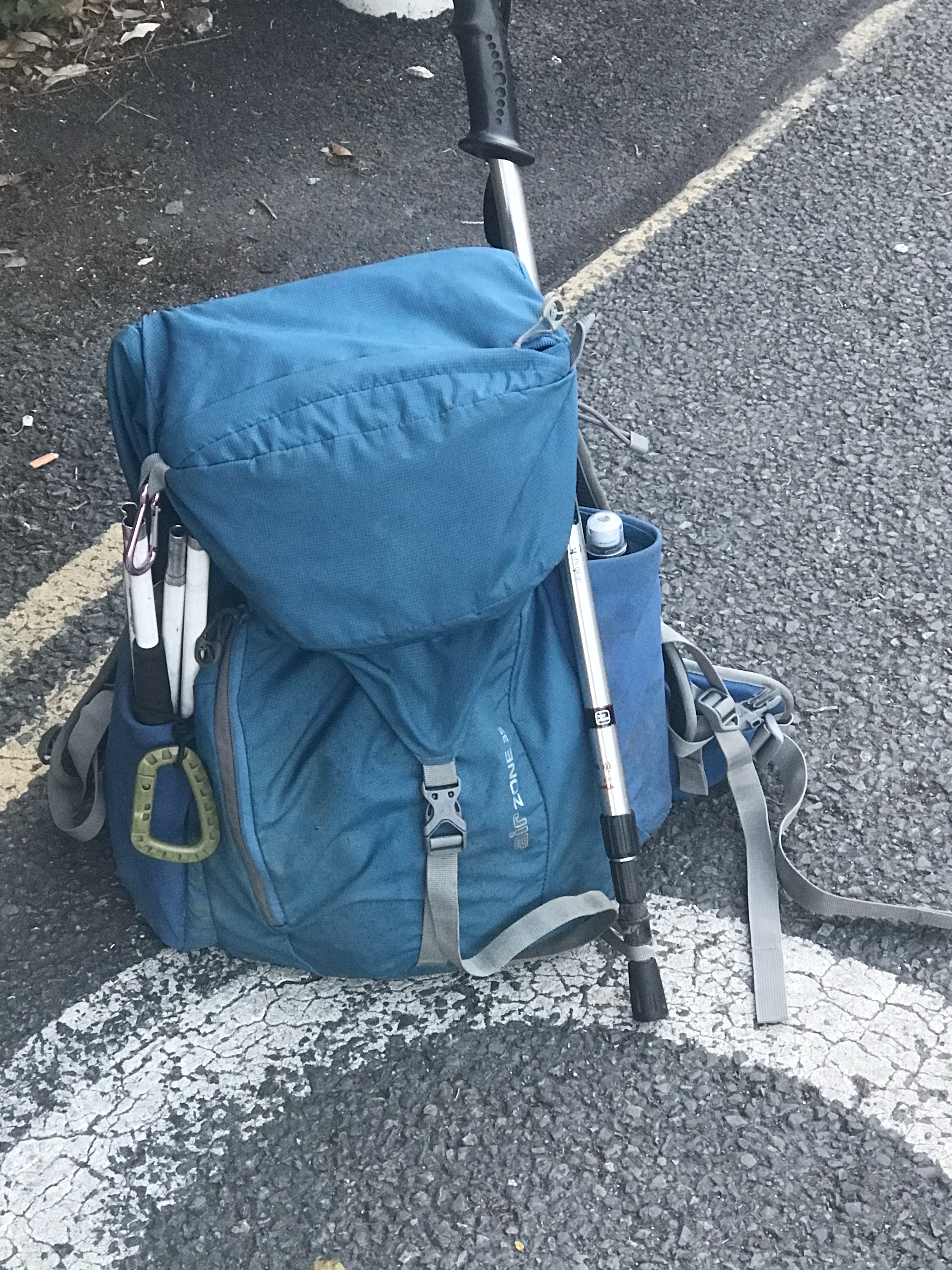
When I attended my Lowland Leader assessment I went in open minded and ready to wonder compassionately demonstrating my understanding of the countryside around me. I must admit, I was suitable armed with a rucksack full of torches, lights and even a few glow sticks.

Too the few that are achieving qualifications, the next steps is to walk into a paid role and moving into meaningful work.
For most disabled people, the gap is even wider. Not because of lack of talent, passion, or resilience, but because the structures around them often fail to make the reasonable adjustments that transform possibility into reality.
Background Research.
“National data show clear and persistent differences in qualification outcomes and drop-out rates between people with protected characteristics and those without. Disabled adults are less likely to hold higher-level qualifications and more likely to have no or low qualifications than non-disabled adults, and this pattern is visible across age and sex groups. GOV.UK +3

In higher education, the Office for Students reports systematic differences in continuation (drop-out) rates, degree outcomes and graduate destinations between student groups. Disabled students and some ethnic groups have lower continuation rates and different patterns of employment outcomes compared with their peers, even when studying similar subjects.

Office for statistics.
These statistics indicate that identity continues to influence who completes their qualifications, who leaves early, and who accesses higher quality careers.

Although the outdoor sector is not always reported as a standalone category, the subject areas and industries that feed into outdoor and sport-related careers sit inside these wider patterns. The same structural gaps, lower qualification levels, higher drop-out risk and unequal access to higher-quality jobs for some protected groups shape the talent pipeline into the outdoors just as they do in other sectors.”
Reasonable Adjustments are never easy, yet with common sense and adopting an appropriate use of artificial intelligence. A list can be produced, with appropriate information and a form.
The list can include:
- Access to training.
- Adaptive equipment.
- Additional Time
- Flexible schedule
- Support Worker or Travel Buddy.
Visibility in qualifications.
When syllabuses and standards embed inclusion, they signal that disabled candidates belong here. That belonging is the heart of courage. A shift away from thinking that a support worker is there as an added benefit and unfair on someone without one!
Pathways into work.
Adjustments must extend beyond the classroom.
Employers in the outdoor sector need to see qualifications not as barriers, but as bridges. Bridges that carry diverse talent into guiding, coaching, and leadership roles. Looking at the skills needed to complete the role competency levels, work around personal risk assessments.

Why the Numbers Matter
At present, according to UK’s Office for Statistics there are low achievement rates, are something to consider and review.
There are stories of potential left untapped, dreams deferred. Every missed qualification is a silenced voice in the outdoor community.
Reasonable adjustments are not about lowering standards. They are about raising the floor so that everyone can stand tall. They are about shaking off the “troubled soul” of exclusion, and replacing it with the light of opportunity.

Where the Heart Truly Is
The outdoors is often described as a place of freedom, resilience, and belonging. But freedom without access is an illusion. Belonging without visibility is a promise unkept.
If we want the outdoor sector to thrive, we must ensure that qualifications are not gatekeepers but gateways. That every learner, disabled or not can see the path ahead, trust the structures around them, and step forward with courage.
✨ Closing Thought
The song reminds us:
“High above the tallest trees, courage will come your way.”
Our task is to make sure those trees are not walls. To clear the path, to build the scaffolding, and to let courage rise.
Only then will the outdoor sector reflect the true spirit of the mountains and moors: a place where everyone belongs, and where every leap is possible.
This blog is not just about qualifications or statistics.
It is about the heartbeat of inclusion.
It is a reminder that courage only flourishes when environments are designed to lift barriers, not reinforce them.
By linking the imagery of
“Where the Heart Is”
to the lived reality of disabled learners, the piece challenges the outdoor sector to see qualifications not as gatekeepers but as gateways.
It is a call to re‑imagine education and employment as scaffolding for dignity, visibility, and opportunity so that every person, regardless of ability, can take their leap of life into the outdoors.

You must be logged in to post a comment.